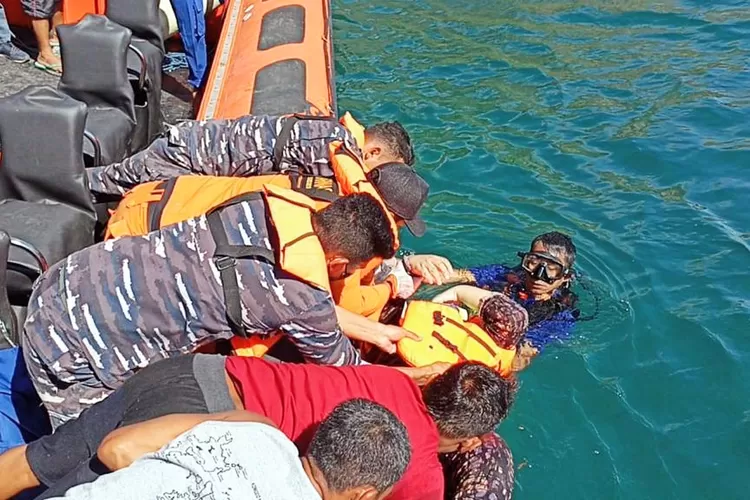
The serene waters of Komodo National Park, a UNESCO World Heritage site, turned tragic on August 13, 2025, when Alexander Hibur, a seasoned tour guide from Labuan Bajo, lost his life while snorkeling in Taka Makasar during a Komodo boat tour. The incident, suspected to be a heart attack, has sparked urgent conversations about snorkeling safety. As a hub for adventure tourism, Komodo attracts thousands annually, but this loss underscores the need for stringent safety measures. Delving into the circumstances surrounding Alexander’s death, the focus is drawn on critical lessons regarding pre-dive health checks, emergency protocols, and preventive strategies to ensure the safety of both guides and tourists.
The Tragic Incident at Taka Makasar
Alexander Hibur, a senior guide with proven snorkeling expertise, was found drifting by a tourist during a snorkeling session in Taka Makasar. According to Aloysius Suhartim Karya, Chairman of HPI Manggarai Barat, Alexander signaled distress, saying, “Please help me, I am not feeling well,” before collapsing and sinking. Swift action by the tourist brought him to the surface, and he was evacuated to a tender boat where onboard tourists attempted CPR. Despite these efforts, he succumbed, later being transported to RSUD Komodo Labuan Bajo and then to his hometown in Manggarai Timur. The suspected cause of a heart attack highlights the unpredictable health risks even experienced guides face in challenging marine environments.
Also read, Ji Chang Wook Shares His Unforgettable Experience Visiting Bali and Labuan Bajo
Understanding the Health Risks of Snorkeling
Snorkeling, while appearing low-risk, demands physical endurance, especially in Komodo’s dynamic currents and warm waters, which are often experienced during a Komodo boat tour. Alexander’s case suggests a sudden cardiac event, a risk amplified by exertion, dehydration, or underlying conditions. The American Heart Association notes that snorkeling can strain the cardiovascular system, particularly for those over 40 or with undetected heart issues. Komodo’s tropical climate, with temperatures averaging 27-29°C, increases dehydration risks, potentially triggering heart complications. This incident serves as a stark reminder that even skilled guides need regular health assessments to mitigate such dangers, prompting a reevaluation of fitness standards in the tourism industry.
The Importance of Pre-Dive Health Checks
Pre-dive health checks are critical to preventing tragedies like Alexander’s. Experts recommend a medical screening, including blood pressure and heart rate tests, before any water activity. For guides, who often work long hours in challenging conditions, annual checkups should be mandatory, focusing on cardiovascular health. The Divers Alert Network (DAN) advises against snorkeling for individuals with a history of heart disease unless cleared by a doctor. Tour operators could implement a simple pre-dive questionnaire assessing fatigue, recent illness, or stress to identify at-risk individuals. In Alexander’s case, a routine check might have flagged potential vulnerabilities, saving his life and protecting the industry’s reputation.
Enhancing Emergency Protocols on the Water
The response to Alexander’s collapse revealed gaps in emergency preparedness. While tourists’ CPR efforts were commendable, the lack of immediate professional medical support on the tender boat was a limitation. Komodo tour operators should equip boats with trained first responders, oxygen kits, and automated external defibrillators (AEDs). The International Maritime Organization (IMO) mandates basic life-saving appliances, but enforcement varies. Post-incident, HPI Manggarai Barat could lead a training program, ensuring all guides and crew are certified in first aid and CPR. Additionally, establishing a rapid-response network with RSUD Komodo could cut evacuation times, turning a potential tragedy into a recoverable situation.
Preventive Measures for Snorkeling Safety
Preventing future incidents during Komodo boat tours requires a multi-faceted approach. Firstly, guides should wear personal flotation devices (PFDs) with integrated health monitors to alert crews of distress. Secondly, buddy systems pairing guides with tourists or fellow staff can ensure immediate assistance, as seen in Alexander’s rescue. Hydration stations and shaded rest areas on boats can combat dehydration, a known heart stress factor. Lastly, public awareness campaigns, leveraging Kompas.com’s reach, could educate tourists on recognizing guide distress signals, fostering a collective safety culture. These measures, if adopted, could honor Alexander’s legacy by making Komodo’s waters safer.
Community and Industry Response
The Manggarai Barat community and HPI expressed deep sorrow, reflecting Alexander’s respected status. This outpouring suggests a call for systemic change. Komodo boat tour operators might collaborate with local health authorities to offer free cardiac screenings for guides, addressing a gap highlighted by this tragedy. The Komodo National Park Authority could revise safety guidelines, mandating health certifications and emergency drills. By 02:14 PM WITA on August 14, 2025, just 18 hours after the report, online forums like TripAdvisor showed tourists urging stricter safety protocols, indicating growing pressure for reform.
Moving Forward: A Safer Komodo
Alexander Hibur’s death is a wake-up call for Komodo’s tourism sector. Implementing rigorous pre-dive health checks, enhancing emergency protocols, and fostering preventive measures can prevent similar losses. Tour companies should invest in training and equipment, while regulators enforce compliance. For visitors, understanding these risks and supporting safe practices ensures a responsible adventure. As Komodo heals from this loss, the industry must prioritize safety, turning a tragedy into a catalyst for lasting change, ensuring guides like Alexander can thrive in their vital roles.