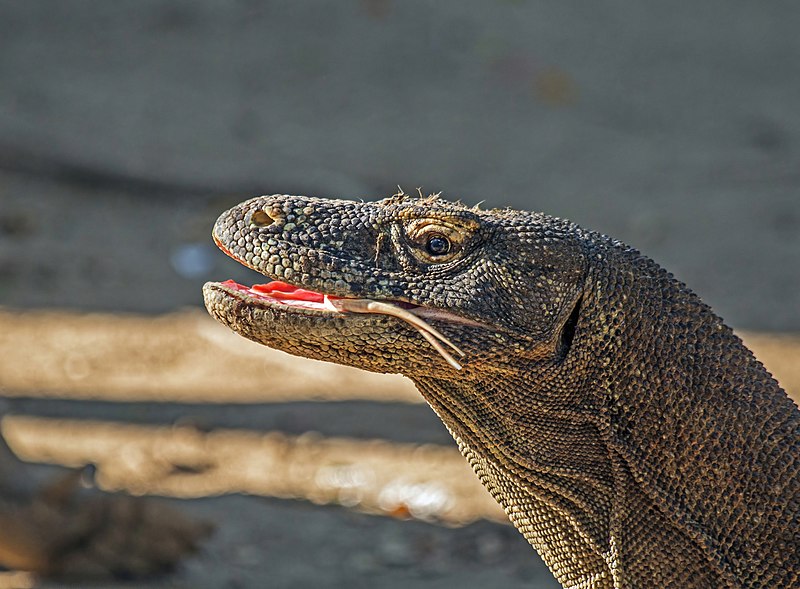
Most travellers picture a dragon when they hear “Komodo,” but the destination is far more complex than its most famous resident. A Komodo island tour moves through dry savannah, volcanic hills, coral-rich seas, pink-sand beaches, and wildlife found nowhere else. From Padar’s ridges to the underwater channels of the national park, the landscape shifts constantly between land and sea.
Komodo Is More Than a Wildlife Stop
Komodo National Park has been a UNESCO World Heritage Site since 1991 and is recognised for both its terrestrial and marine ecosystems. UNESCO reports that the World Heritage property covers 219,322 hectares, showing the scale of a protected landscape that extends far beyond the islands where Komodo dragons live.
That scale changes how travellers should think about a Komodo island tour. The dragon encounter may be a highlight, but it belongs to a wider ecosystem of dry grasslands, mangroves, beaches, reefs, and nutrient-rich channels. UNESCO specifically describes the park as a landscape where dry savannah and rugged hills contrast with sandy beaches and coral-rich blue waters.
For travellers beginning a labuan bajo trip, the transformation starts soon after leaving the harbour. The waterfront gives way to open sea, scattered islands, and increasingly dramatic shorelines.
From Volcanic Ridges to Dry Savannah
Unlike the dense tropical scenery often associated with Indonesia, many islands here are shaped by exposed ridges, seasonal vegetation, dry hills, and sweeping savannah. These environments are part of the natural character that makes Komodo markedly different from many other Indonesian island destinations.
Padar Island makes this contrast easy to understand. From its elevated viewpoints, travellers can see curved bays separated by rugged ridgelines. Guided walks through dragon habitat reveal another side of the environment, where grassland and woodland support terrestrial wildlife.
A well-planned Labuan Bajo Tour can therefore feel very different from a conventional beach holiday. One morning may begin with a hilltop sunrise, while the next experience happens beneath the surface.
The Landscape Continues Underwater
Komodo’s geography does not stop at the shoreline. Beneath the sea, reefs, slopes, channels, pinnacles, and underwater walls continue the drama. UNESCO describes the park’s fringing coral reefs as diverse and luxuriant, supported by clear water and the rapid exchange of nutrient-rich deeper water through the archipelago.
This is why diving komodo has become central to the destination’s identity. UNESCO records sea turtles, whales, dolphins, dugongs, and extensive reef biodiversity within the park. For non-divers, komodo snorkeling provides another way to experience the striking contrast between the dry islands above and colourful ecosystems below.
A Komodo island tour becomes especially memorable when land and marine activities are treated as one connected experience. A hike, reef swim, wildlife encounter, and sunset anchorage can all form part of the same journey.
Why the Sea Shapes the Journey
Because the attractions are spread across multiple islands, the vessel is more than transportation. A komodo boat tour can connect hiking areas, beaches, snorkeling spots, and wildlife sites without requiring travellers to return to Labuan Bajo after every activity.
Travellers with limited time may consider an open trip labuan bajo, while those looking for a slower journey may prefer a komodo liveaboard. Other options range from a liveaboard labuan bajo experience to a private yacht labuan bajo arrangement, depending on group size, comfort expectations, and preferred travel pace.
A multi-day komodo cruise also allows travellers to wake closer to the islands rather than spending additional time commuting from town. Hello Flores recommends around three to four days for many travellers, while longer stays can offer greater flexibility for diving, snorkeling, and quieter island experiences.
Pink Beaches and Changing Coastlines
Some Komodo shorelines are pale and bright, while others are known for their distinctive pink tones. Together with turquoise water, golden hills, and rocky outcrops, these beaches reinforce the unusual visual contrast found throughout the park.
Beach stops can also become entry points for swimming and komodo national park snorkeling, allowing travellers to move directly from the shoreline into marine environments.
When comparing a labuan bajo tour package, look beyond the number of attractions listed. Travel time, activity sequence, time spent at each destination, and opportunities to visit during quieter hours can shape the experience more than simply checking famous locations off a list.
Wildlife From Shoreline to Open Water
The Komodo dragon remains central to the region’s identity, but its habitat is only one part of the broader ecosystem. UNESCO notes that the protected area also supports Timor deer, numerous bird species, coral communities, marine mammals, turtles, and other wildlife.
Manta encounters are another highly sought-after experience in Komodo waters. Karang Makasar, for example, is identified by the park’s official website as a manta aggregation area, although sightings depend on natural conditions such as tides and should never be considered guaranteed.
For travellers interested in both terrestrial wildlife and underwater landscapes, a Komodo island tour offers an unusual opportunity to see how dramatically ecosystems can change over a relatively short sailing distance.
How Should You Experience Komodo?
The right itinerary depends on what matters most to you. Divers may prioritise reef conditions and more time underwater, photographers may plan activities around sunrise and sunset, families may prefer a gentler schedule, and wildlife-focused travellers may want additional time for guided land excursions.
The strongest itineraries also leave room for weather, sea conditions, park regulations, travel time, and the natural unpredictability that makes Komodo compelling. Hello Flores similarly advises that trip duration should reflect activities, boat choice, weather, and preferred travel pace rather than following one itinerary for every traveller.
Rather than thinking of Komodo as a single dragon encounter, think of it as a moving landscape. Its real story unfolds from harbour to island, savannah to reef, and quiet beach to open-water channel.
Frequently Asked Questions
Komodo combines dry savannah, rugged volcanic scenery, coral reefs, marine biodiversity, beaches, and the natural habitat of the Komodo dragon within one protected archipelago.
No. Beyond dragon encounters, visitors can experience hiking, snorkeling, diving, beaches, manta encounters, island landscapes, and multi-day journeys by boat. Hello Flores also features Padar, Pink Beach, snorkeling, diving, and other marine experiences throughout its Komodo itineraries.
Three days can cover major highlights, but around four days provides a more balanced pace for many first-time travellers. Five or more days can suit divers, photographers, and travellers seeking a slower journey.